
Skimming Sunderland

Skimming is a thin finishing layer applied over an existing surface to leave it smooth and flat, ready for decorating. It’s the most requested job we get, and also the one where the honest answer is sometimes “this wall needs more than a skim”.

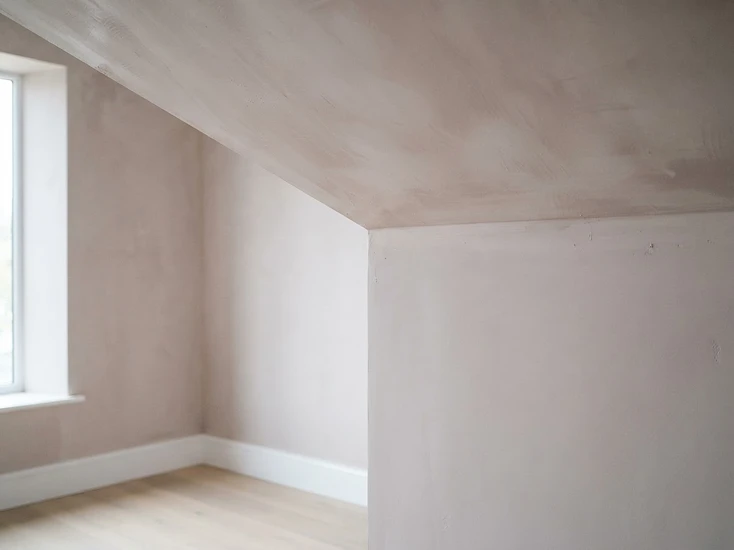
Freshly skimmed smooth wall and ceiling junction in an empty room

When skimming works well

Over plaster that’s firm, well bonded and reasonably flat. Over plasterboard that’s been fixed properly, with joints taped and reinforced. Over previously painted surfaces that have been prepared appropriately for the coat going on.

It’s the right call for tired but sound walls, artexed surfaces in good condition, and rooms where a decorator has run out of filler options.

When it may not be the answer

Where large areas sound hollow, the old plaster has already let go of the wall behind it. A skim will follow it. Where a wall is significantly out of flat, a thin coat can’t correct it — that’s a dubbing-out or replastering job.

Where there’s ongoing water ingress or a persistent damp patch, the source is worth understanding first. A skim over a moisture problem doesn’t last, and it hides the thing you needed to see.

Preparation before the skim

The finish is the part you see. The preparation underneath is the part that helps it stay there.

Typically that means removing anything loose, cutting out and repairing damage, treating or priming the background as appropriate, fitting or checking beads, and reinforcing joints and problem cracks before the finish goes on.

Drying and decorating afterwards

Fresh plaster needs to dry out rather than just feel dry. Darker patches mean moisture is still leaving the wall, and how long that takes depends on thickness, ventilation, the room and the time of year.

Once it’s an even light colour throughout, a thinned mist coat is normally the first thing on. Going straight in with a heavy emulsion or a strong sealer on plaster that hasn’t dried is the most common way to spoil a good finish.

Questions we get asked

Tell us what you’re looking at

Send a few details and photos if you have them, or ring and talk it through. Either way we’ll help you work out what the wall actually needs.